
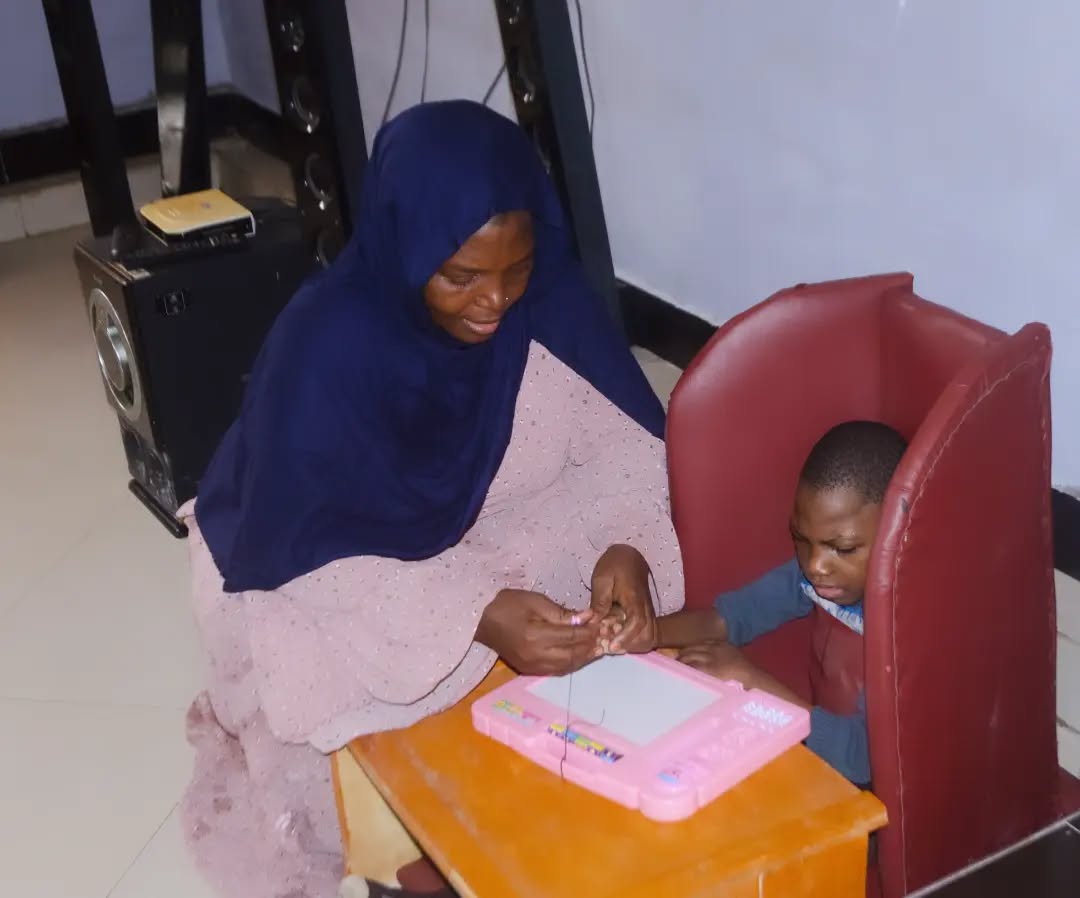
Caring for a child with disabilities is a full-time commitment. Many caregivers — especially mothers — take on this responsibility without financial support, without guidance, and often without understanding from their own families.
The result is a layer of silent struggle that rarely makes it into public conversations.
A caregiver’s daily routine includes feeding, hygiene, physiotherapy exercises, hospital visits, medication tracking, learning support, and emotional reassurance.
This is on top of household duties and any attempt to earn income. For many women, it becomes impossible to pursue regular work, which deepens economic dependence and emotional exhaustion.
The wellbeing of a caregiver directly affects the wellbeing of the child. When a mother is overwhelmed, isolated, or financially strained, the child feels it too. This is why empowerment is not a side program — it is central to improving the life of the child.
Economic empowerment helps restore balance. Skills training opens small income opportunities. Village Savings and Loan Associations (VSLA) help caregivers save and borrow for their needs.
Seed capital helps them start small businesses that fit their caregiving schedule. Even modest income can reduce stress, improve nutrition, and create a safer home environment.
KAYA Foundation invests in caregivers because strong families are the foundation of inclusion. When caregivers are supported, financially stable, and emotionally resilient, children have a better chance to grow, learn, and participate in society.