Disability in Tanzania is still surrounded by silence, confusion, and cultural beliefs that shape how children are treated at home and in the community.
Many families are unsure where to seek support. Others hide children out of fear of judgment or because they simply don’t know what services exist.
This lack of awareness creates a painful cycle. Children miss early medical care. They are kept indoors instead of playing with others. Enrolment in school gets delayed, sometimes forgotten entirely. And as a result, the child’s development slows, not because of the disability itself, but because of the environment around them.
Understanding disability begins with shifting mindsets. A child with cerebral palsy, spina bifida, hydrocephalus, autism, or any other condition is not cursed, incapable, or a burden. They are children first — with the same right to affection, safety, education, and a future.
Community awareness plays a powerful role in breaking this cycle. When parents understand early intervention, they act sooner. When neighbours understand inclusion, stigma begins to fade.
When schools understand their responsibilities, more children enter classrooms. And when communities understand disability as a human-rights issue, not a taboo, protection becomes everyone’s responsibility.
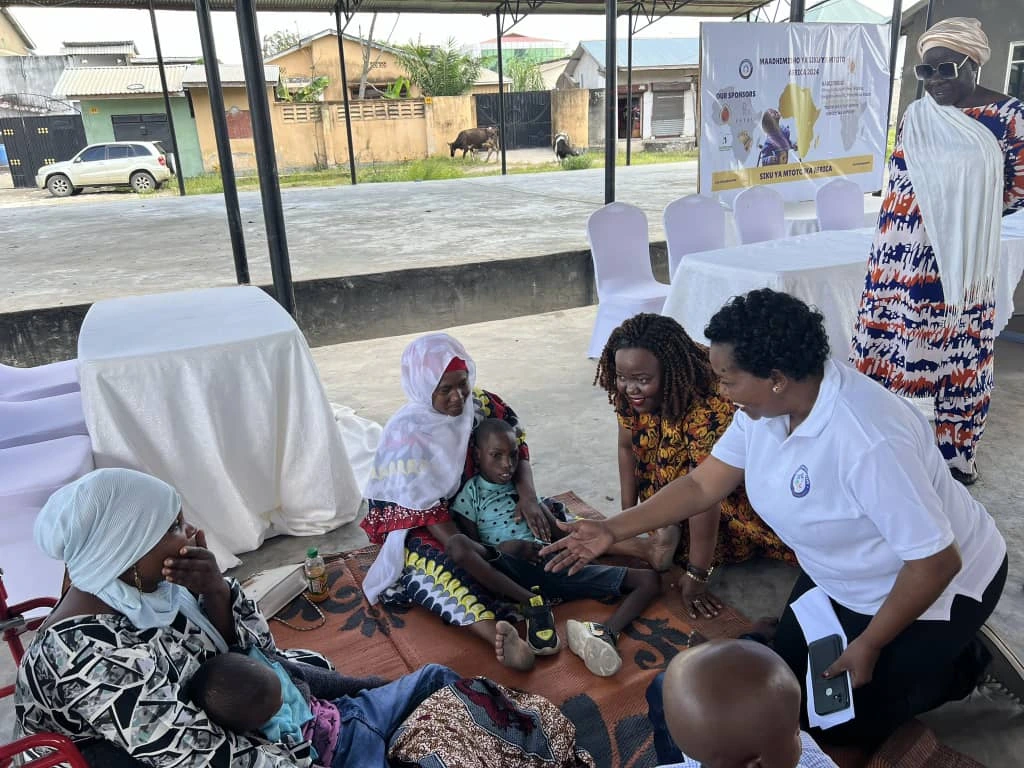
KAYA Foundation works across communities to promote this understanding — through home visits, school engagement, and rights awareness. Change happens slowly, but it begins with information, empathy, and willingness to see every child as equally deserving.